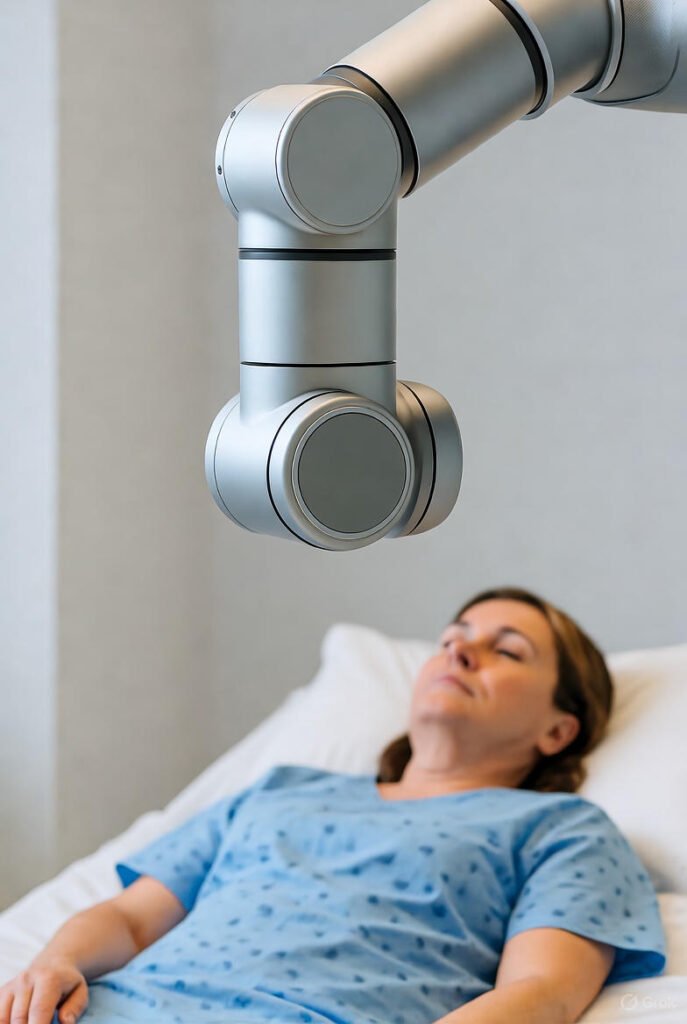
Meta Description: Discover how medical robots are transforming surgery, diagnosis, and rehabilitation with precision and efficiency. Explore applications, future trends, and the impact of medical robots on global health.
Suggested URL: /medical-robots-applications-future (Shortened to 38 characters for better SEO)
Medical robots are at the forefront of modern healthcare innovation. Recently, a groundbreaking event captured global attention: a Hangzhou doctor successfully performed a remote liver resection on a patient in Hangzhou using a domestically produced medical robot during an academic conference in France. This world-first achievement, completed in just 50 minutes, highlights the remarkable precision and efficiency of medical robots. This milestone underscores the immense potential and expansive future of medical robots in healthcare. What are the key applications of medical robots? How will medical robots evolve, and what transformations will they bring to our well-being?
Diverse Applications of Medical Robots
Medical robots encompass a wide array of devices, each playing a vital role in various healthcare domains.
Surgical Medical Robots: Precise and Minimally Invasive Assistants
Surgical medical robots stand out as leaders in the field. They enable doctors to conduct intricate procedures with unparalleled accuracy. For instance, the da Vinci surgical robot is employed globally across specialties like urology, gastrointestinal surgery, gynecology, and cardiac surgery. The benefits of these medical robots include superior stability, eliminating hand tremors and allowing micron-level operations, which reduce patient trauma and accelerate recovery. The recent remote liver resection in Hangzhou illustrates how medical robots, combined with 5G technology, advance telemedicine and bridge gaps in medical resource distribution.
Assisted Diagnostic Medical Robots: AI-Powered Insights
Assisted diagnostic medical robots, enhanced by artificial intelligence, are revolutionizing diagnostics. These medical robots analyze vast datasets from medical images like CT scans, MRIs, and X-rays, as well as pathological information, to detect abnormalities swiftly and support early screening and precise diagnoses. For example, AI-driven medical robots can create detailed 3D models for preoperative planning and offer real-time guidance during operations, boosting safety and outcomes.
Rehabilitation Medical Robots: Customized Recovery Support
Rehabilitation medical robots act as tailored trainers for patients recovering from limb issues, neurological injuries, or age-related conditions. Examples include systems like ReWalk and Ekso Bionics, which deliver consistent, intensity-controlled exercises personalized to individual needs, aiding in regaining mobility and enhancing life quality. These medical robots also track progress in real-time, allowing doctors to refine treatment plans based on data.
Delivery and Transport Medical Robots: Streamlining Hospital Logistics
In hospital settings, delivery and transport medical robots handle the movement of medications, tools, and samples efficiently. These autonomous medical robots navigate paths, dodge obstacles, and use elevators for round-the-clock service, easing staff workloads and boosting efficiency. During pandemics, their contactless operations minimize infection risks, fostering safer environments.
Cleaning and Disinfection Medical Robots: Ensuring Hygiene
Cleaning and disinfection medical robots are essential for maintaining hospital sanitation. They automate thorough disinfection in wards and operating rooms using UV light and sprays, reaching inaccessible areas. By logging processes, these medical robots enhance infection control standards, protecting patients and staff.
Future Outlook for Medical Robots
The evolution of medical robots is accelerating, with several key trends on the horizon as outlined in resources like The Future of Robotics in Healthcare.
Enhanced Intelligence in Medical Robots
Advancements in AI, machine learning, and deep learning will endow medical robots with greater autonomy. Future medical robots may independently manage complex tasks, such as emergency diagnostics or initial interventions.
Miniaturization of Medical Robots
Envision nanoscale medical robots traveling through blood vessels for targeted drug delivery or lesion removal. Though emerging, this technology promises breakthroughs in minimally invasive treatments.
Integrated Collaboration with Medical Robots
Medical robots will fuse multimodal senses like vision and touch for refined operations. Human-robot interactions will become intuitive, positioning medical robots as essential partners in care.
5G-Enabled Telemedicine via Medical Robots
With 5G’s low latency, medical robots will facilitate widespread remote surgeries, diagnoses, and consultations, democratizing access to premium healthcare.
Personalized Health Management with Medical Robots
By processing genomic, lifestyle, and physiological data, medical robots will offer bespoke preventive care, shifting focus from treatment to proactive health management.
Challenges and Opportunities for Medical Robots
Despite their promise, medical robots face hurdles like high costs, regulatory scrutiny, reliability concerns, and staff training needs. However, ongoing innovations and policy support will address these. Medical robots enhance service quality, mitigate resource shortages, and promote equitable health access.
The remote liver resection success exemplifies the transformative power of medical robots. Harnessing technology, medical robots are forging a smarter, more inclusive healthcare future. Soon, medical robots will be ubiquitous, championing human health.